ART EXHIBITS
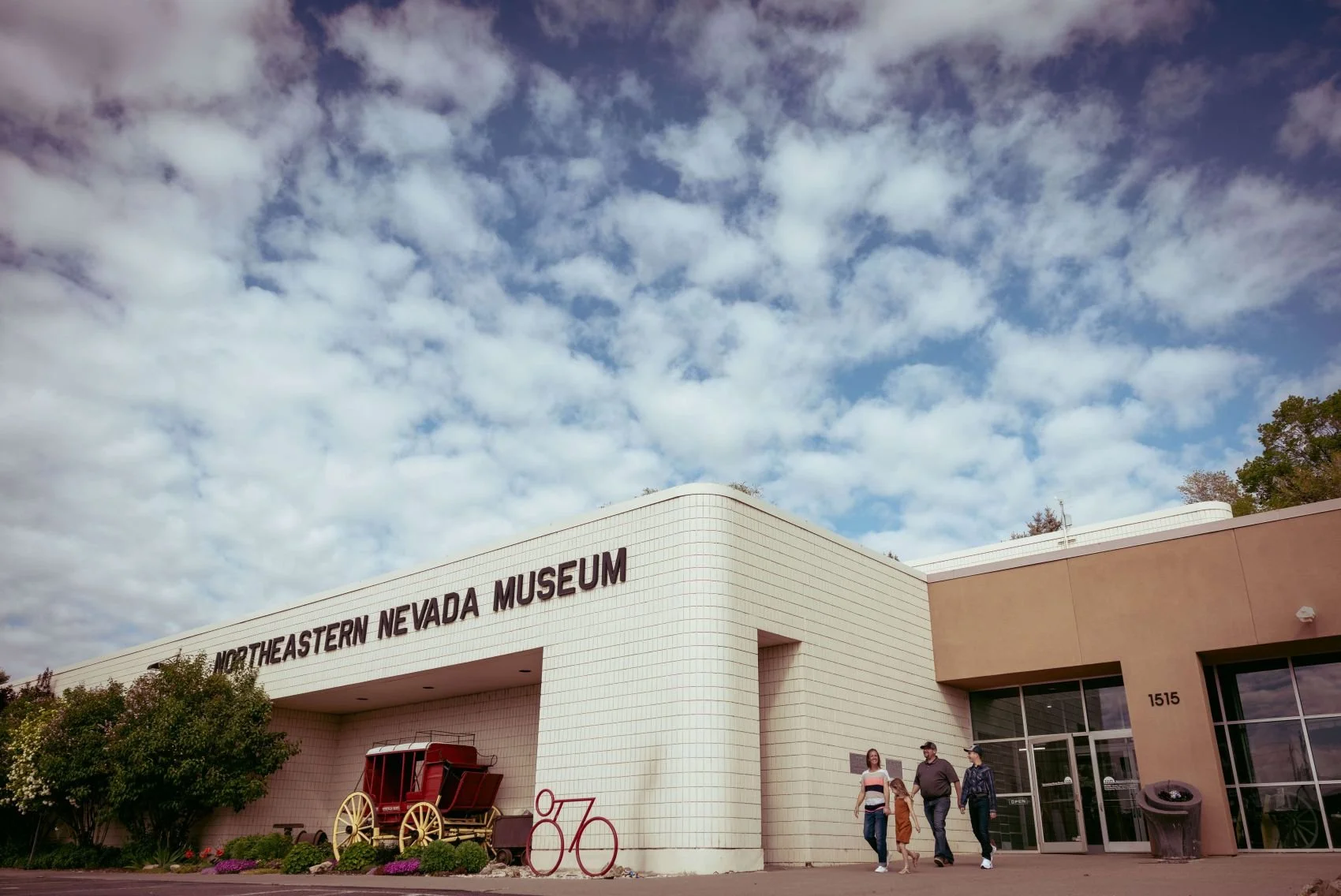
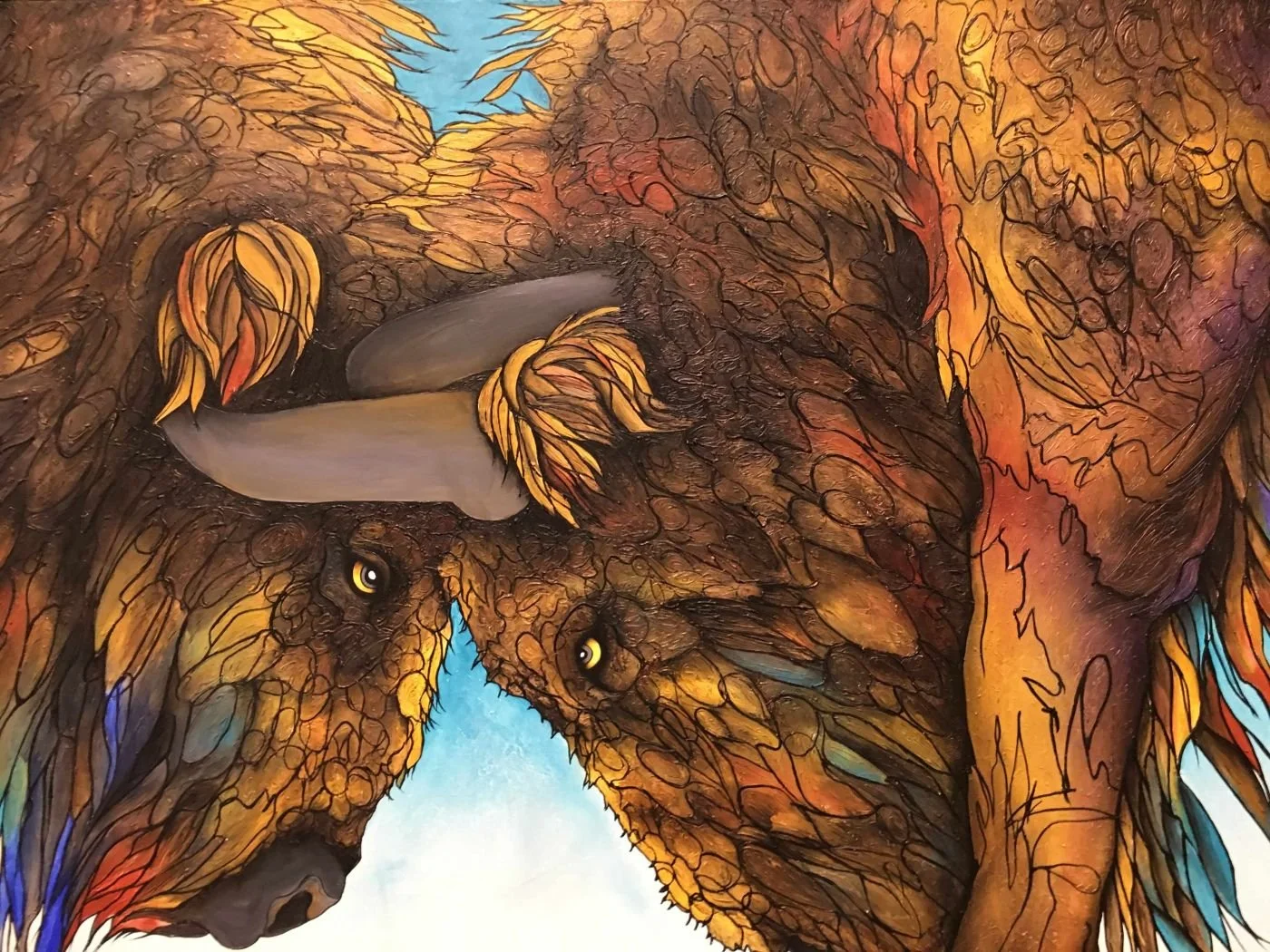
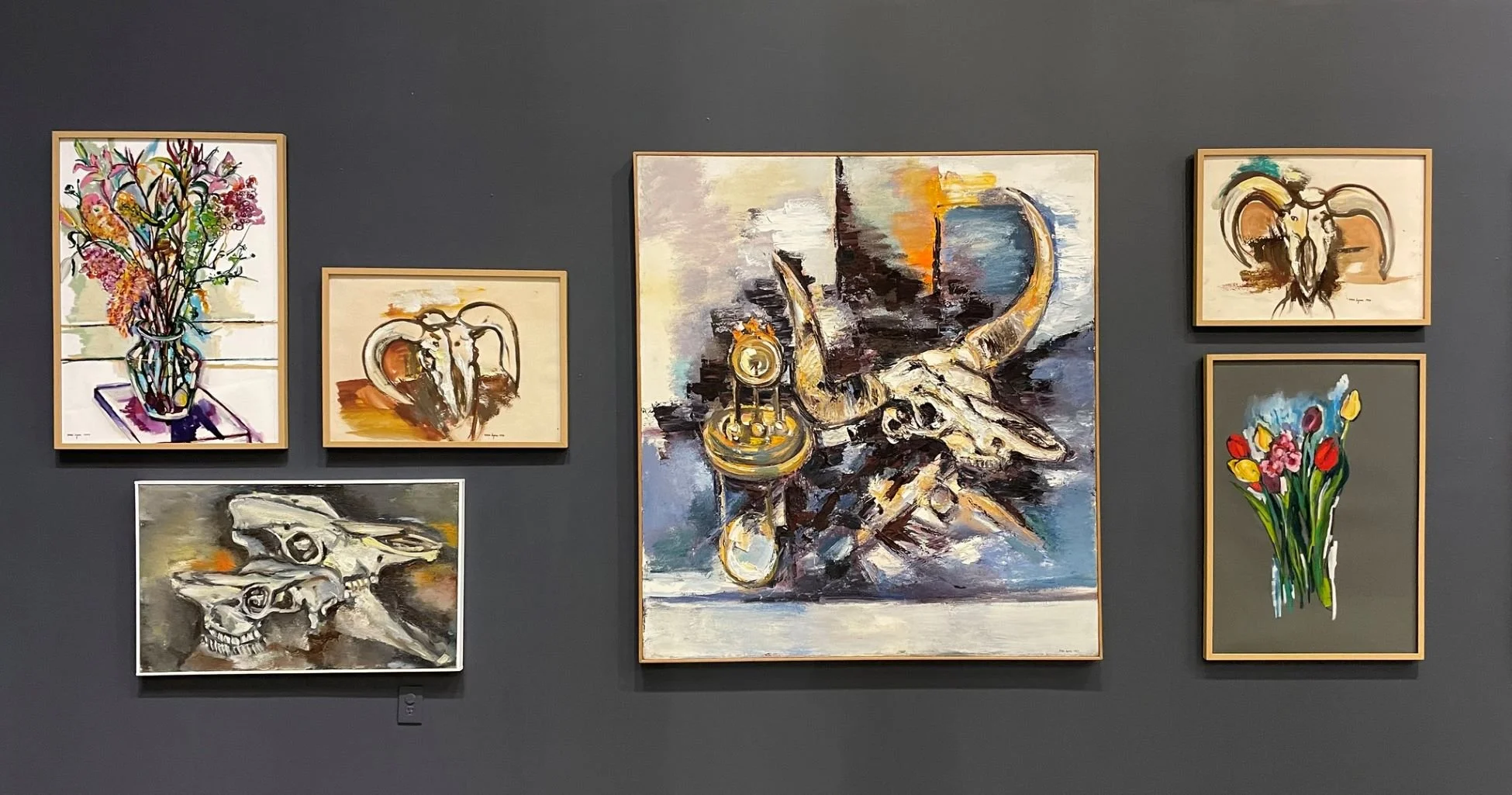
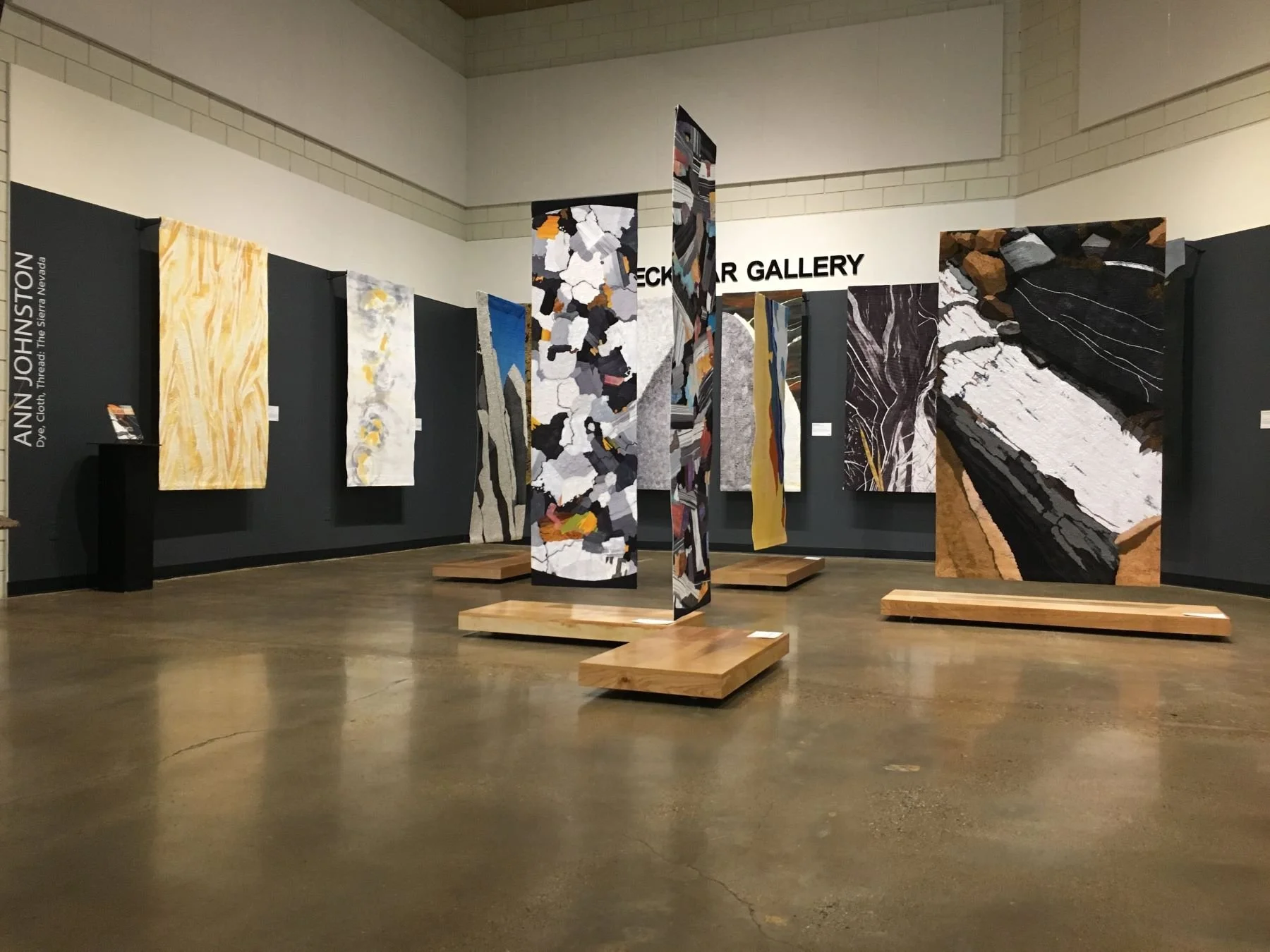
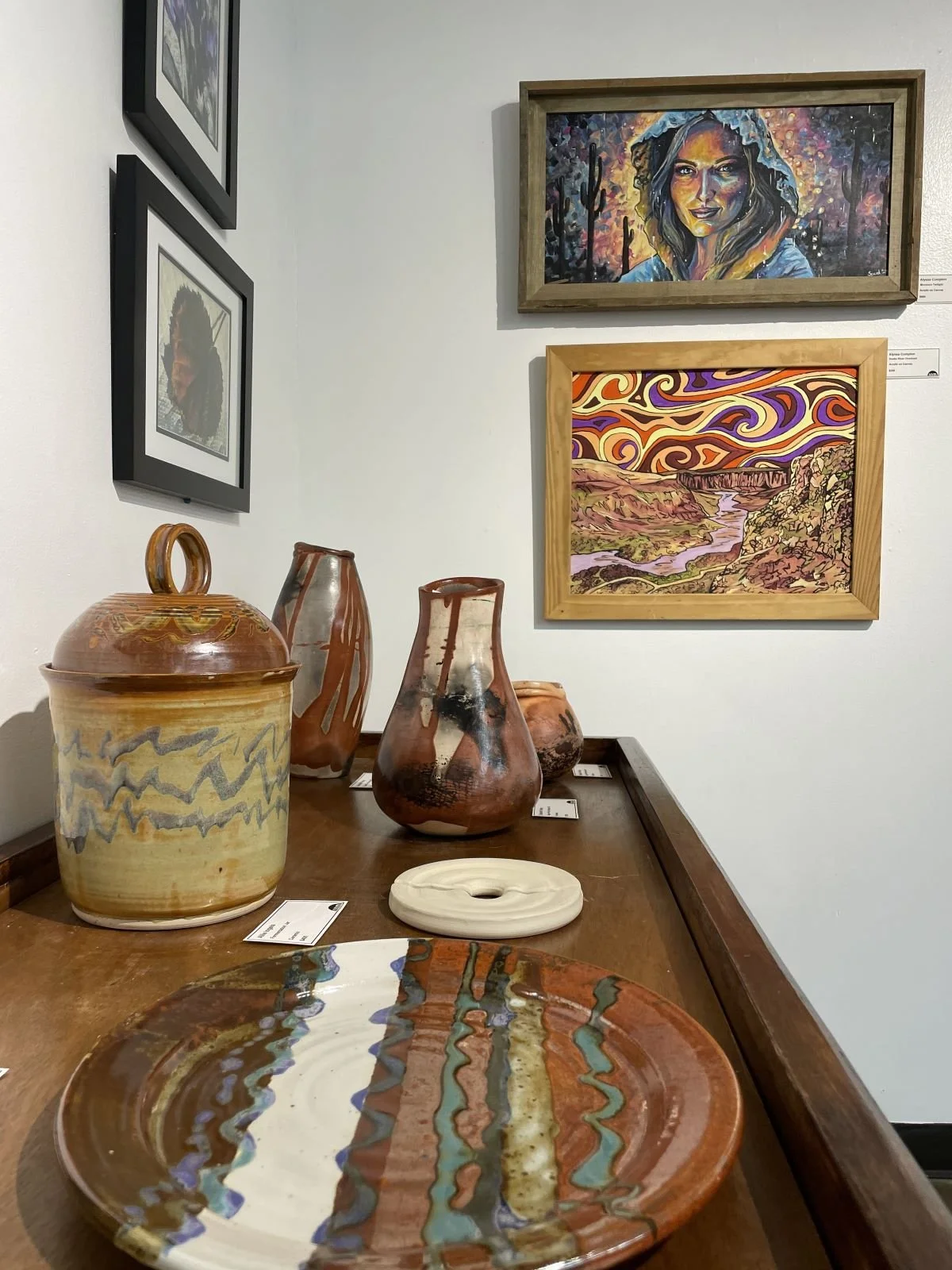
The Northeastern Nevada Museum in Elko, Nevada is home to an extraordinary collection of Western art that honors the creative legacy of the Great Basin. Our galleries feature both world-renowned artists and emerging local talent, offering visitors a rich and diverse experience that captures the beauty, grit, and heart of the West.
CURRENT ROTATING EXHIBITS
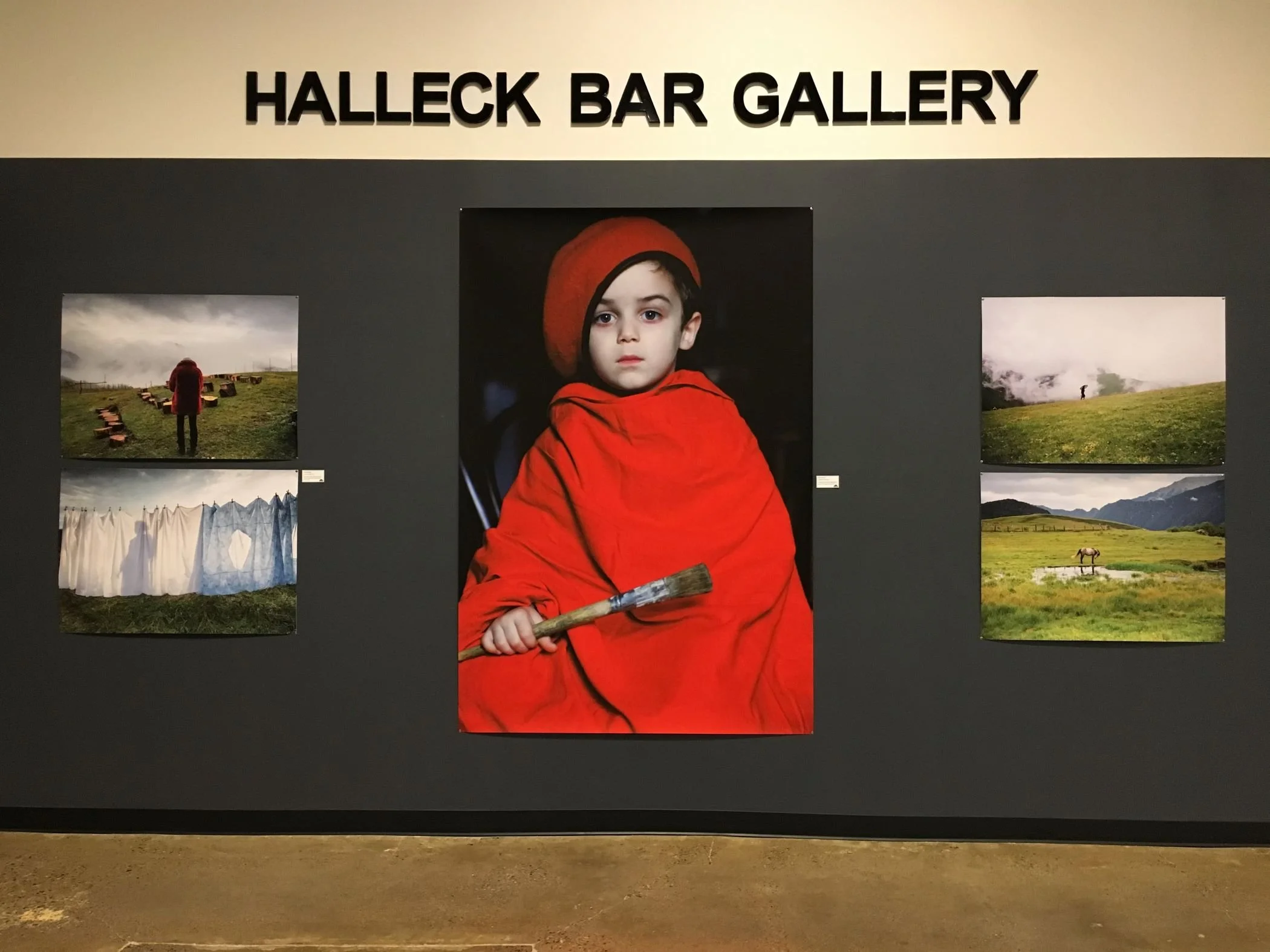
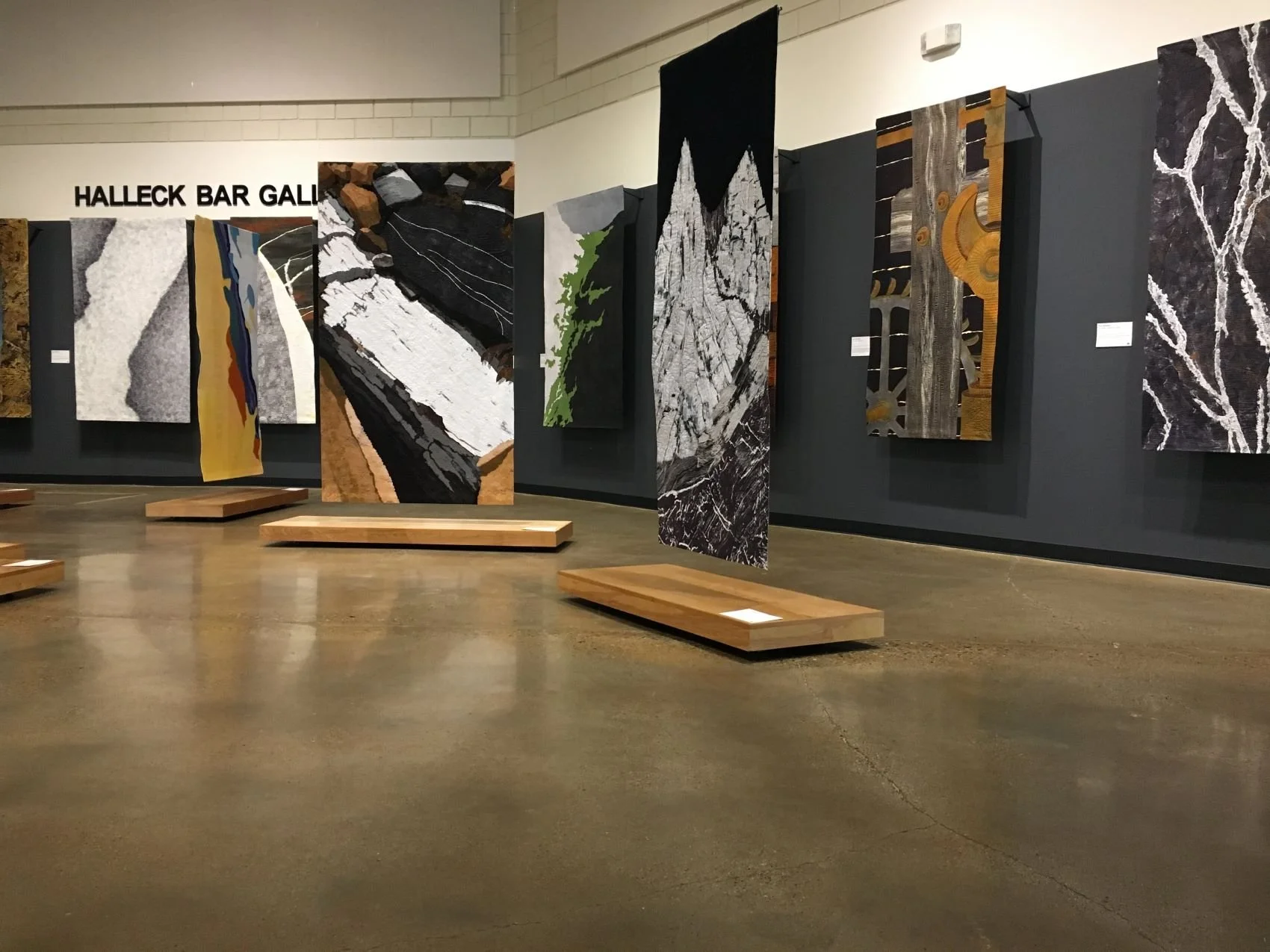
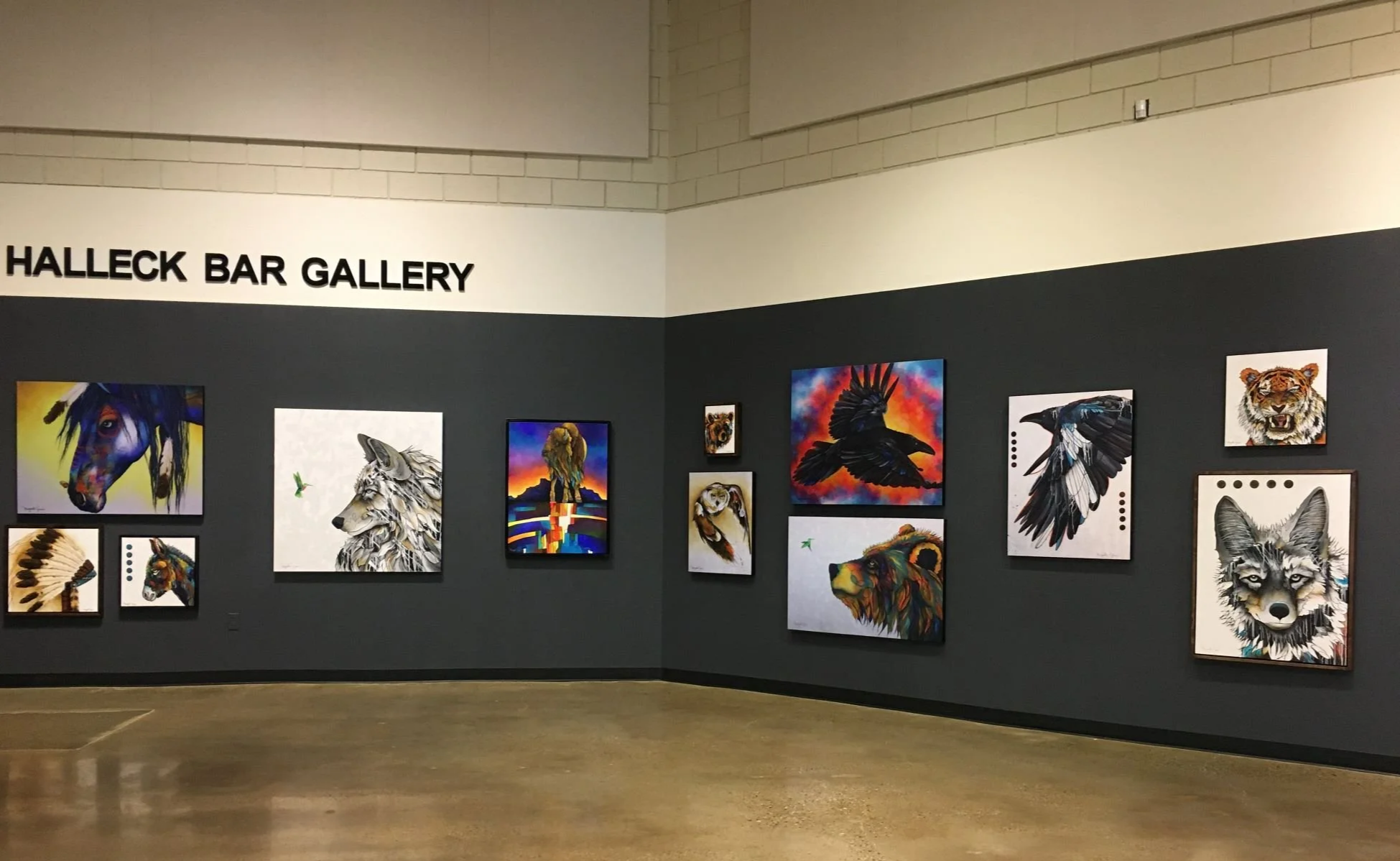
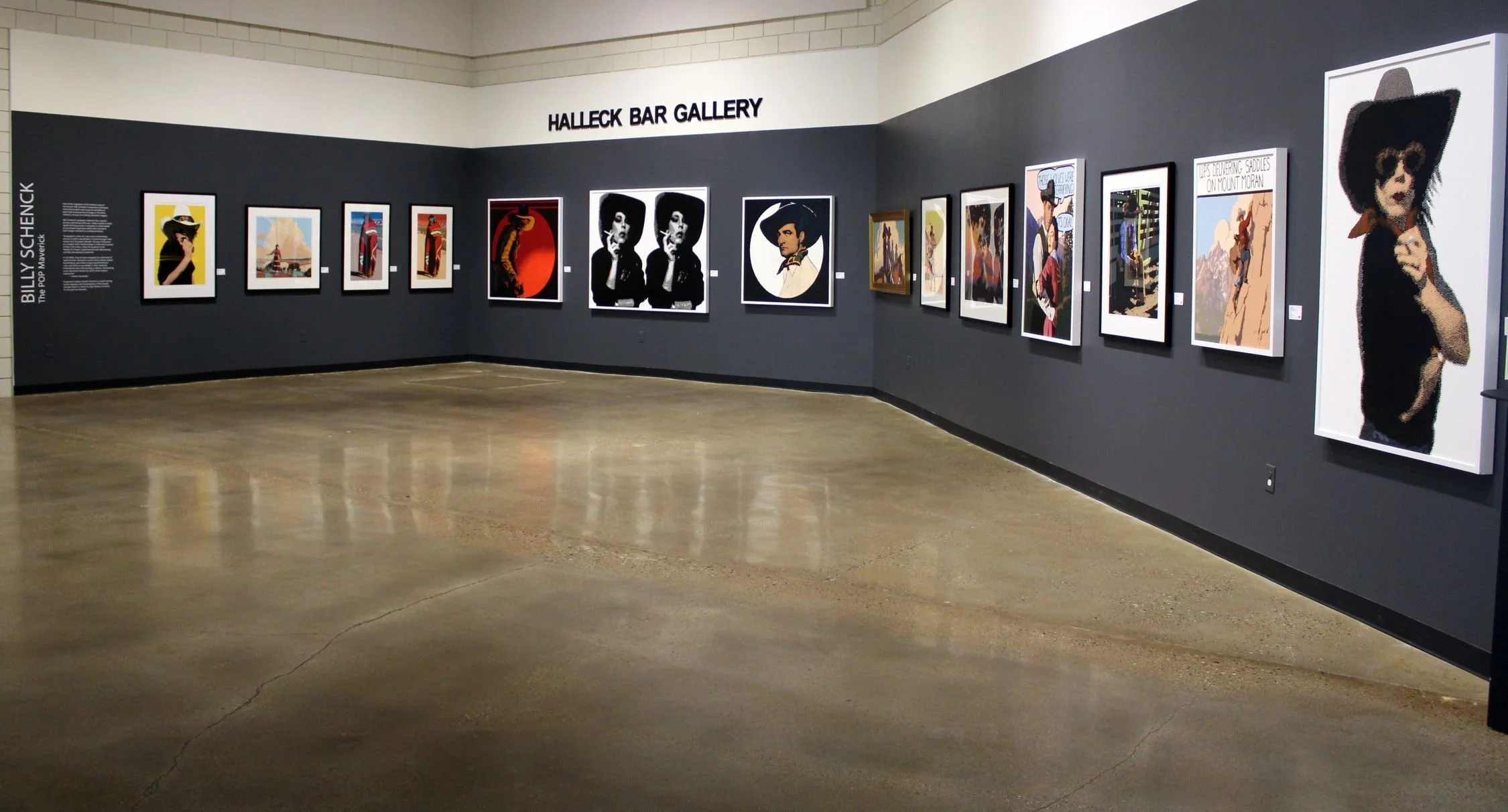
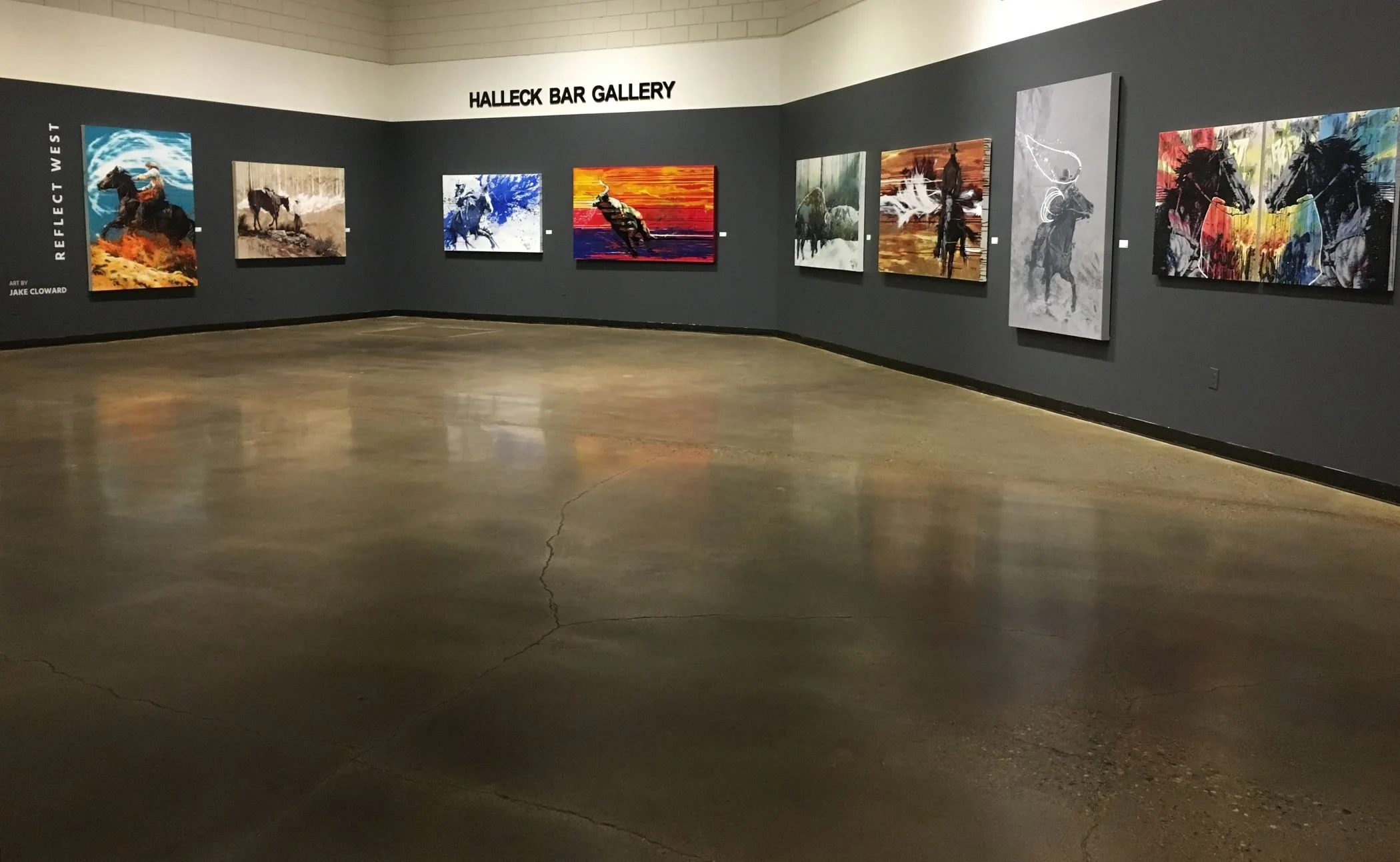
HALLECK BAR GALLERY
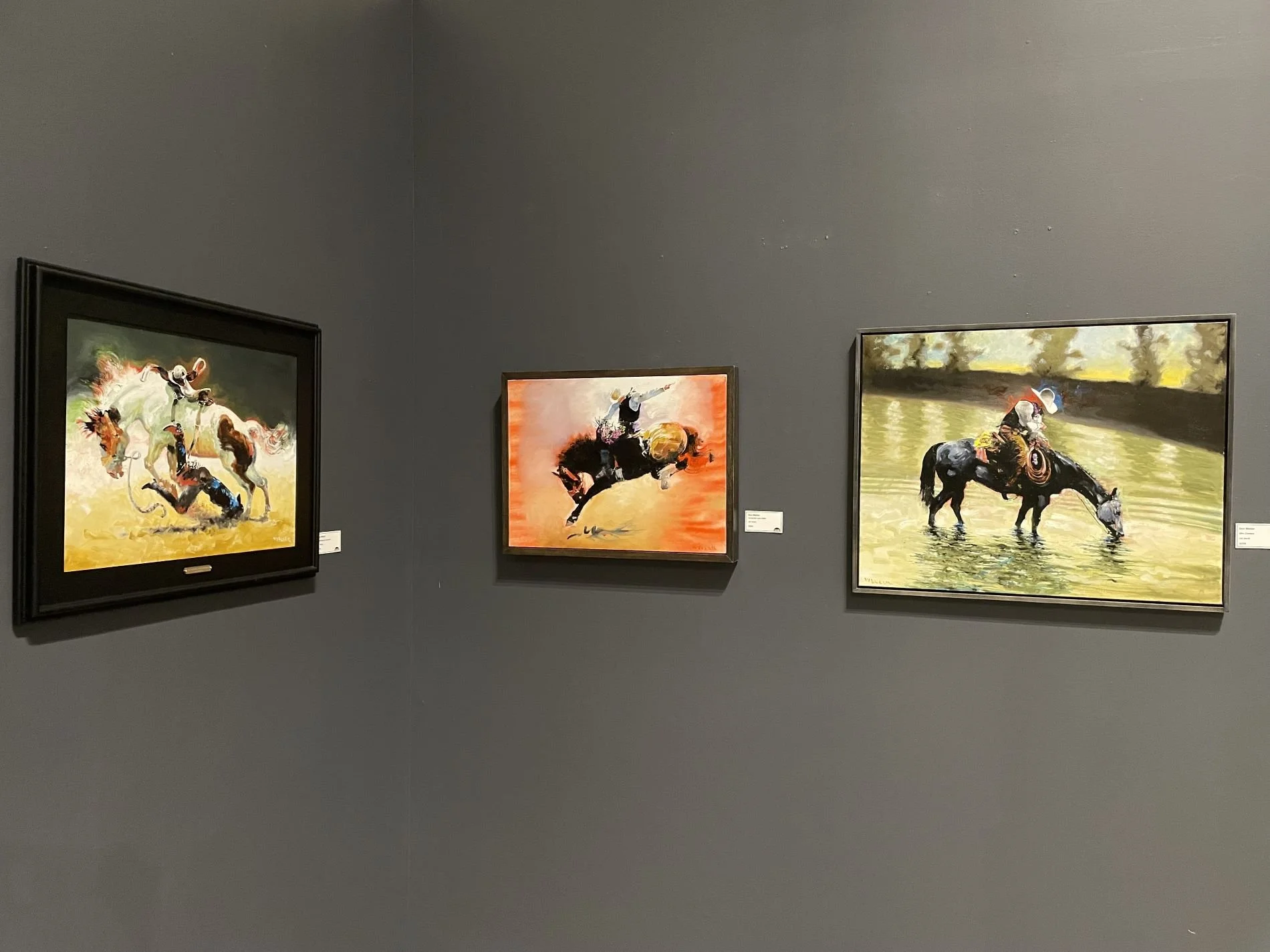
Always Back to Nevada: Craig Sheppard & Art at the University of Nevada Reno
On view until April 26, 2026
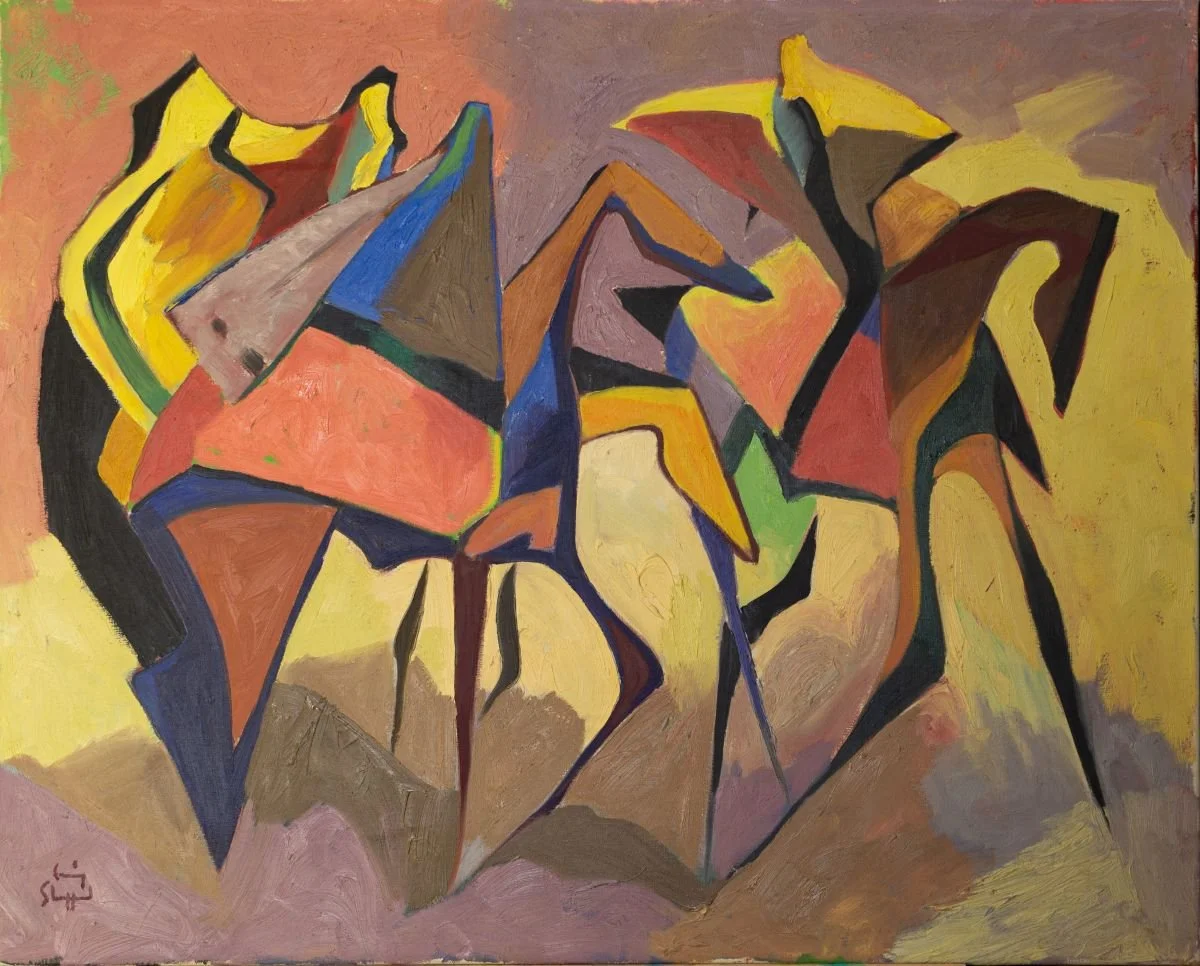
While a quintessential Nevada artist, a lot of what influenced Craig Sheppard (1913-1978) originates from his upbringing in Oklahoma. Craig Sheppard was born in Lawton, Oklahoma, in 1913. He learned about hunting, ranching, and riding from his Texas-born father and was taught how to paint by his mother. With an upbringing full of contrasts, it is no wonder that the artist worked with many media including oil, watercolor, and Japanese brush painting, and creatively bounced from genre to genre, expressing himself through realism, abstraction, and cubist-like sensibilities.
Craig Sheppard arrived in Reno, Nevada in 1947, joining the Art Department at the University of Nevada Reno. He is credited with building the department from scratch, enlarging facilities, improving the quality of instruction, and initiating a program of exhibitions which brought the works of major artists to the campus and community. He was the founding collector of what became known as the Sheppard Gallery at UNR.
The Lilley Museum of Art was opened in 2019 and now houses the collection started and cultivated by Sheppard. The works in the museum collection demonstrate Craig Sheppard’s experimental approach to art making and his prolific and diverse output.
Sheppard varied his style throughout his career. Following extended trips to Norway (1956) and France (1961), he drew inspiration from the modernist painters in Europe and experimented with Cubism and abstraction. But upon his return stateside, the artist seemed to always return to familiar subject matter that denoted a love of his homeland: the vast deserts of Nevada, contemplative narratives of cowboys on horseback, at work or in repose, and horses on the range. This exhibition demonstrates the constant oscillation between styles and the exciting results of constant experimentation.
On July 27, 1978, an editorial on Craig Sheppard in the Nevada State Journal noted that: “One person who never stayed in a box, and who, as a result, influenced the entire community…”[Sheppard is] “probably the most important visual artist dealing in Nevada themes…a unique combination of the sophisticated academician and the salty pioneer prospector.”
—Stephanie Gibson, Director, Lilley Museum of Art

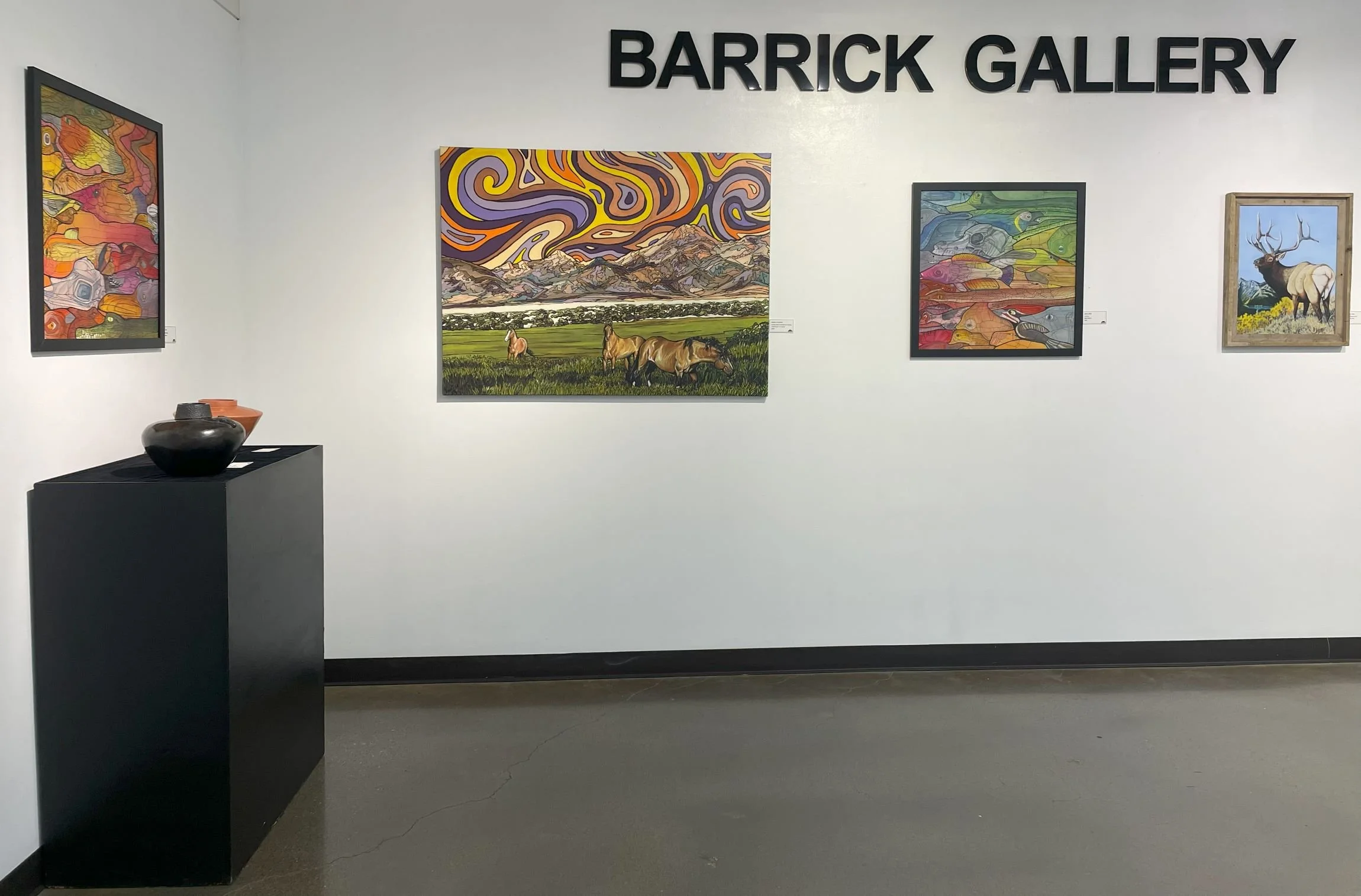
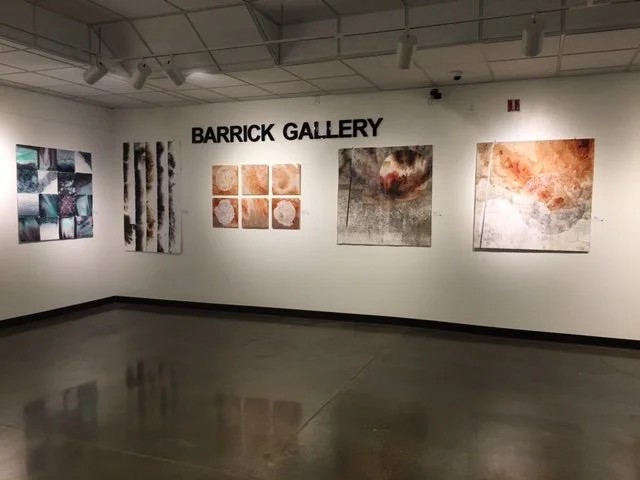
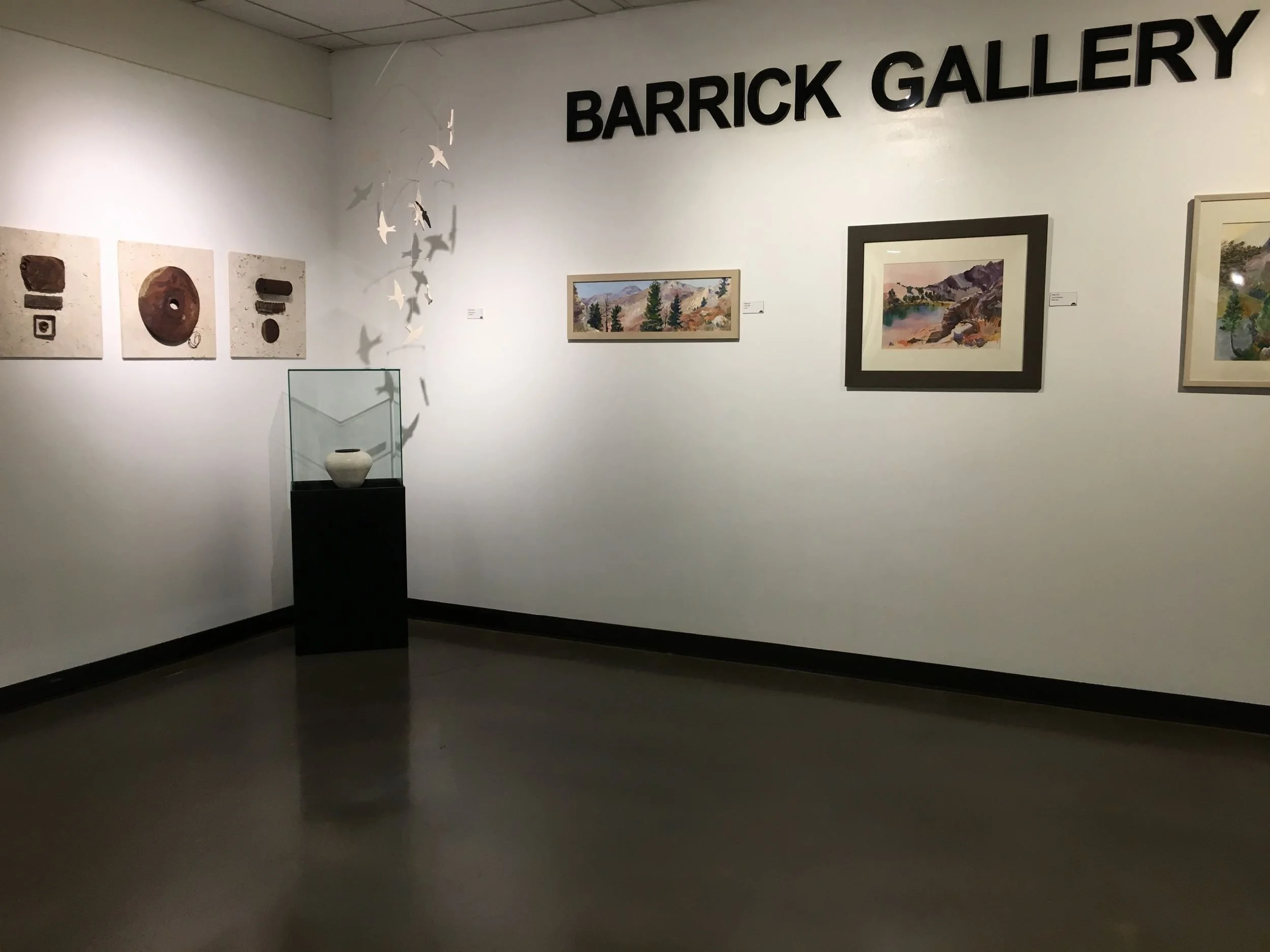
BARRICK GALLERY
Sidne Teske
On view until March 29, 2026
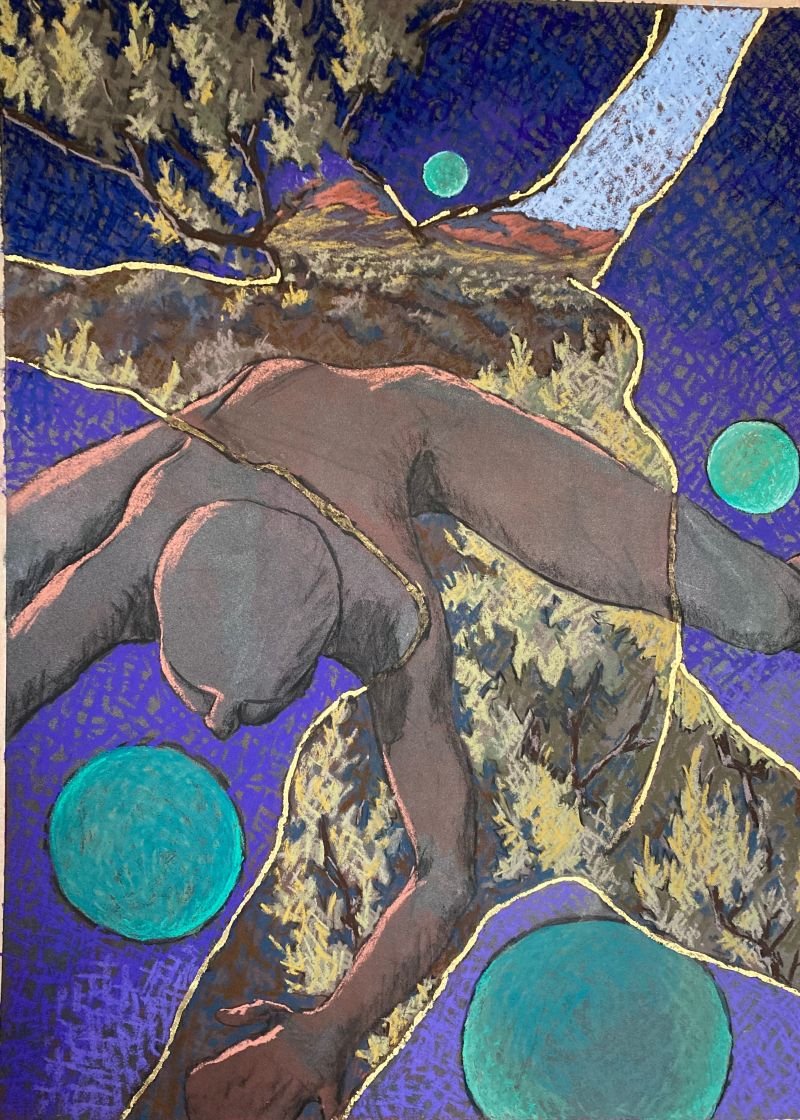
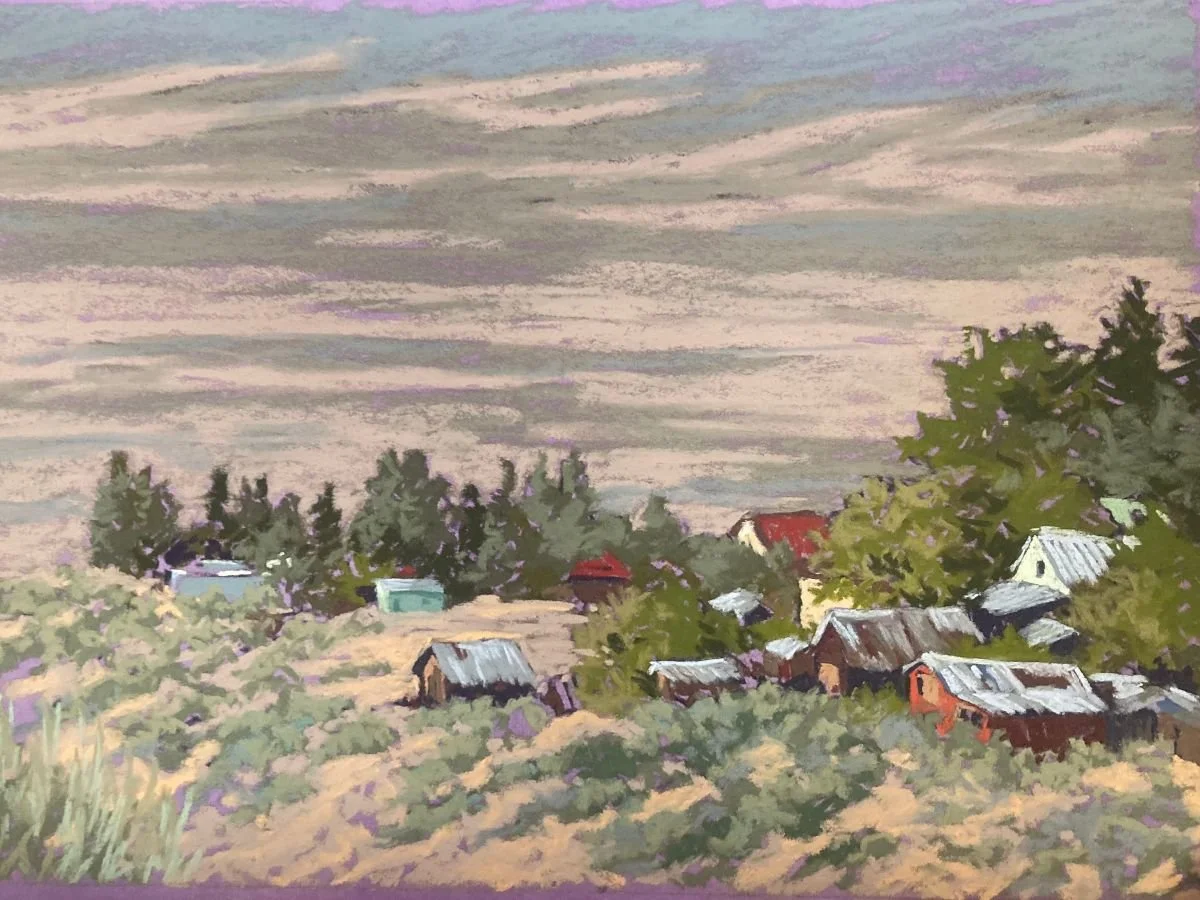
LANDSCAPE, MINDSCAPE
Our bodies are amazing. We live inside a very thin skin that separates two worlds. One world, the world around us, we perceive through sight, smell, touch, sound, and taste. Inside our skins, we live in an entirely different world, driven by emotions and desires. We act on the world around us, and the world around us acts upon us.
The landscapes here are observations of my surroundings: tailing piles, remnants of old mining, sagebrush and trees—beautiful moments painted on location in what could be called a ravaged landscape easy to understand. I paint with soft pastels on sandpaper, references to mining and the grittiness of the land we live on.
The ‘mindscapes’ are attempts at describing emotions not so easily understood but, hopefully, felt by the viewer. Most of these pieces are made on micaceous iron oxide, a reference to the mining that supports so many of us in this area.
My hope with this work is that people walk away from it marveling at odd moments of beauty and wondering how it is that we can live in two worlds at once.
—Sidne Teske
Primarily working with soft pastels, Sidne Teske paints on location en plein air, portraying landscape with vibrant energy. When weather makes it too difficult to explore the outdoors, Teske turns to her studio to create large expressive works that feature the human figure. She is largely self-taught and attends life drawing sessions when she can.
PERMANANT ART COLLECTIONS
RC & MARY ELLIS GALLERY
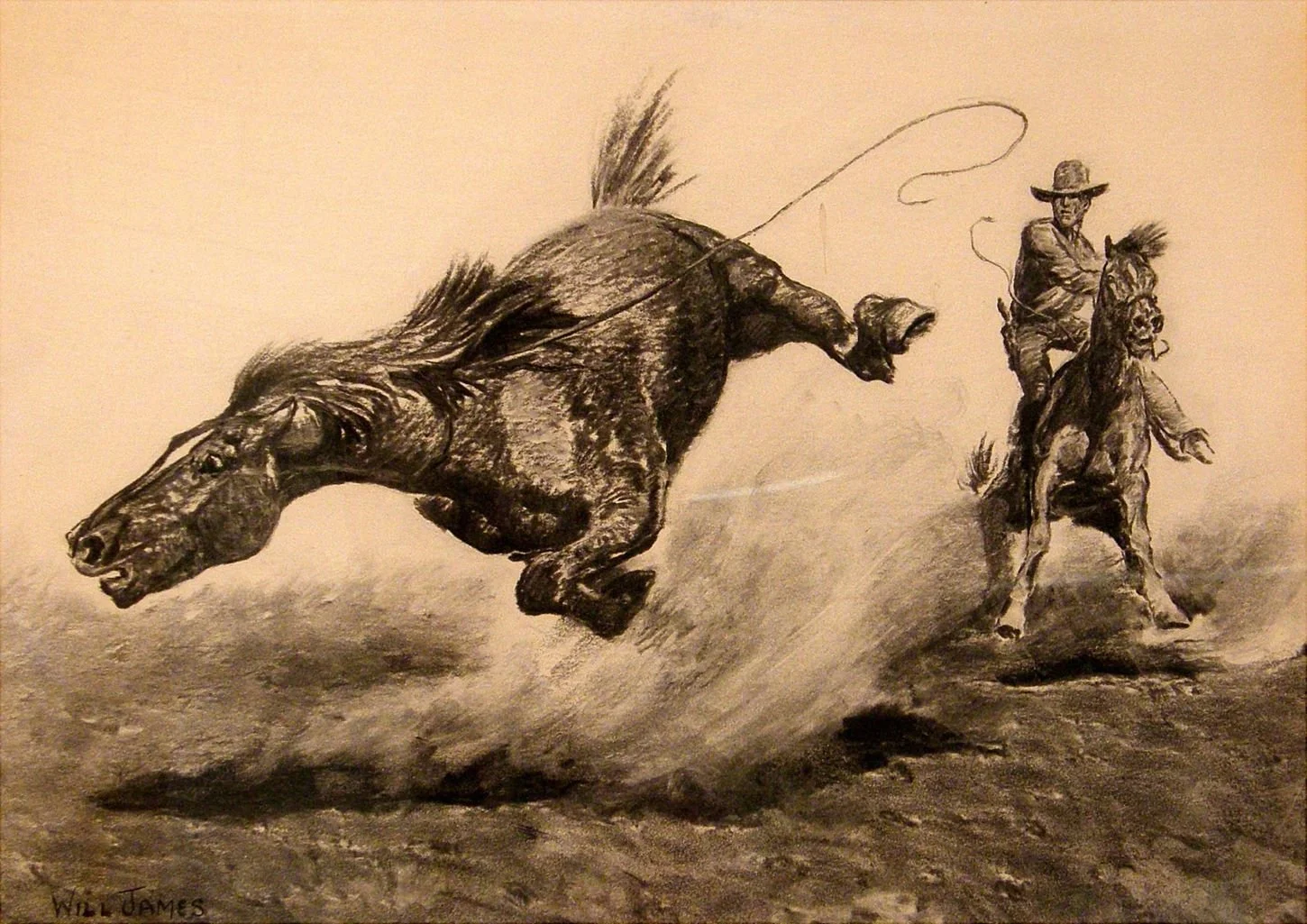
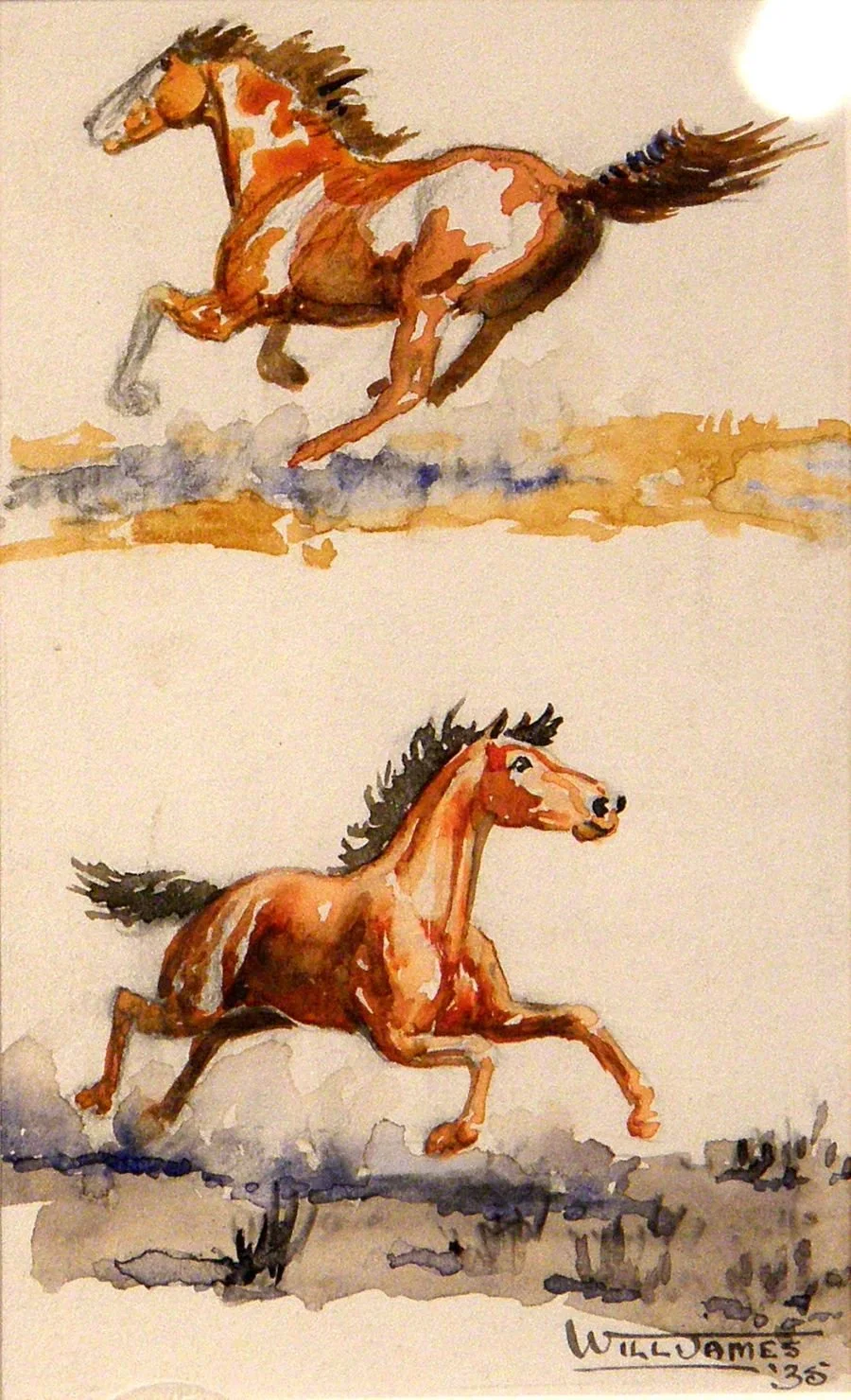
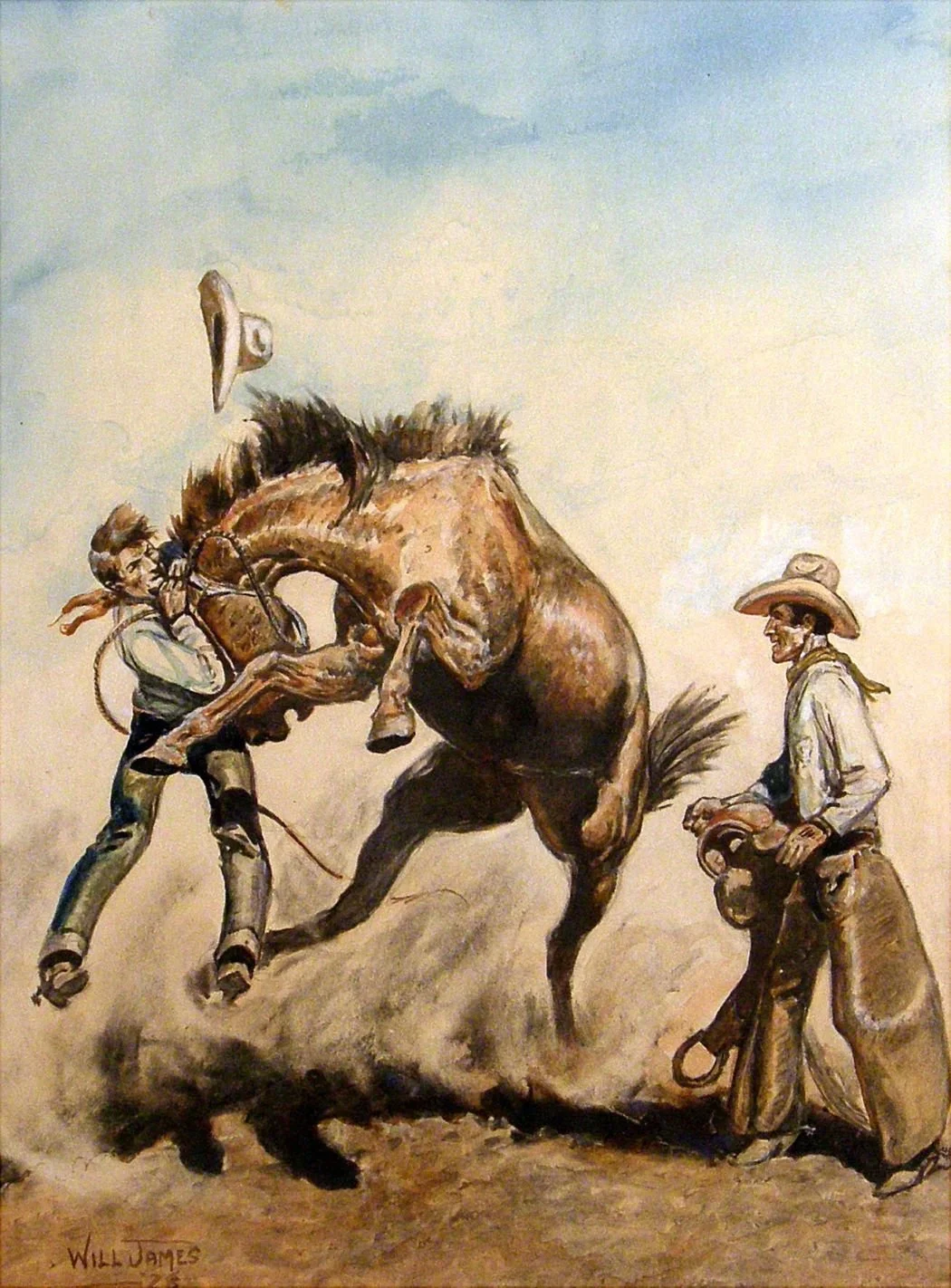
The Will James Collection
At the heart of our permanent collection is the RC & Mary Ellis Gallery, which houses the Will James Collection, donated by Don Frazier of Phoenix, Arizona. Will James (1892–1942) was a legendary Western artist, author, and cowboy whose work defined the spirit of the American frontier.
The Northeastern Nevada Museum proudly holds the second largest Will James collection in the world, including original drawings, watercolors, sketches, and first-edition signed books. Each piece reveals James’s deep understanding of cowboy life and his ability to translate the romance and realism of the West into timeless art.
About Will James:
Born Joseph Ernest Nephtali Dufault in Quebec in 1892, Will James reinvented himself as a cowboy, artist, and writer of the American West. His work is deeply rooted in authenticity—he drew what he lived. His most famous book, Smoky the Cowhorse (1926), earned the Newbery Medal in 1927 and remains a Western classic. James’s illustrations and stories reflect the independence and adventure that define life in the open range, and his influence continues to shape the art and literature of cowboy culture today.

Western Masters: Edward Borein, Ansel Adams, and Edward Weston
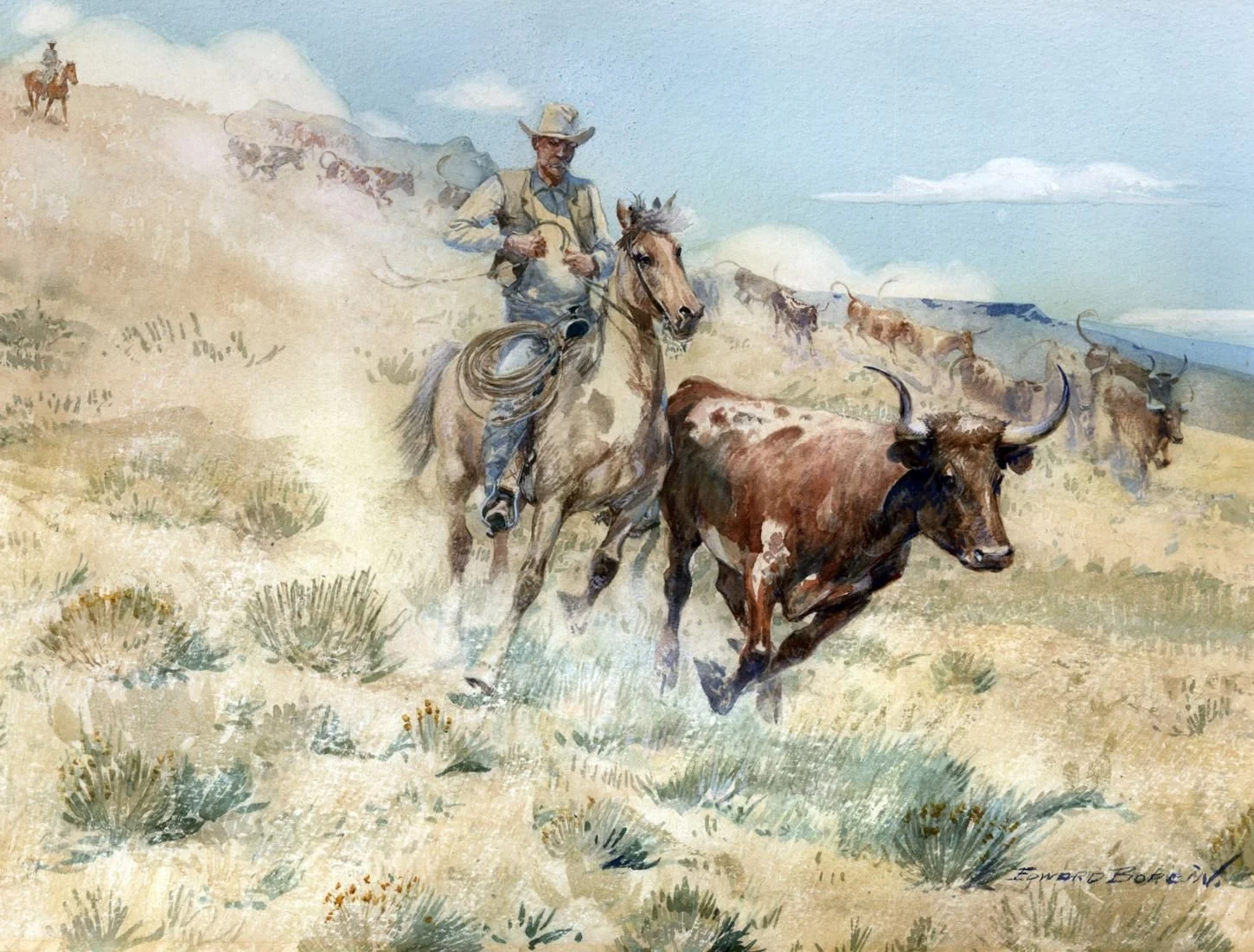
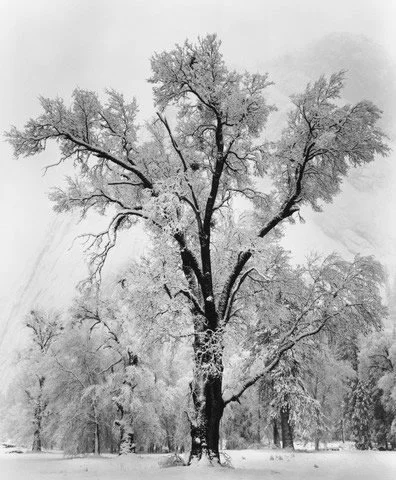
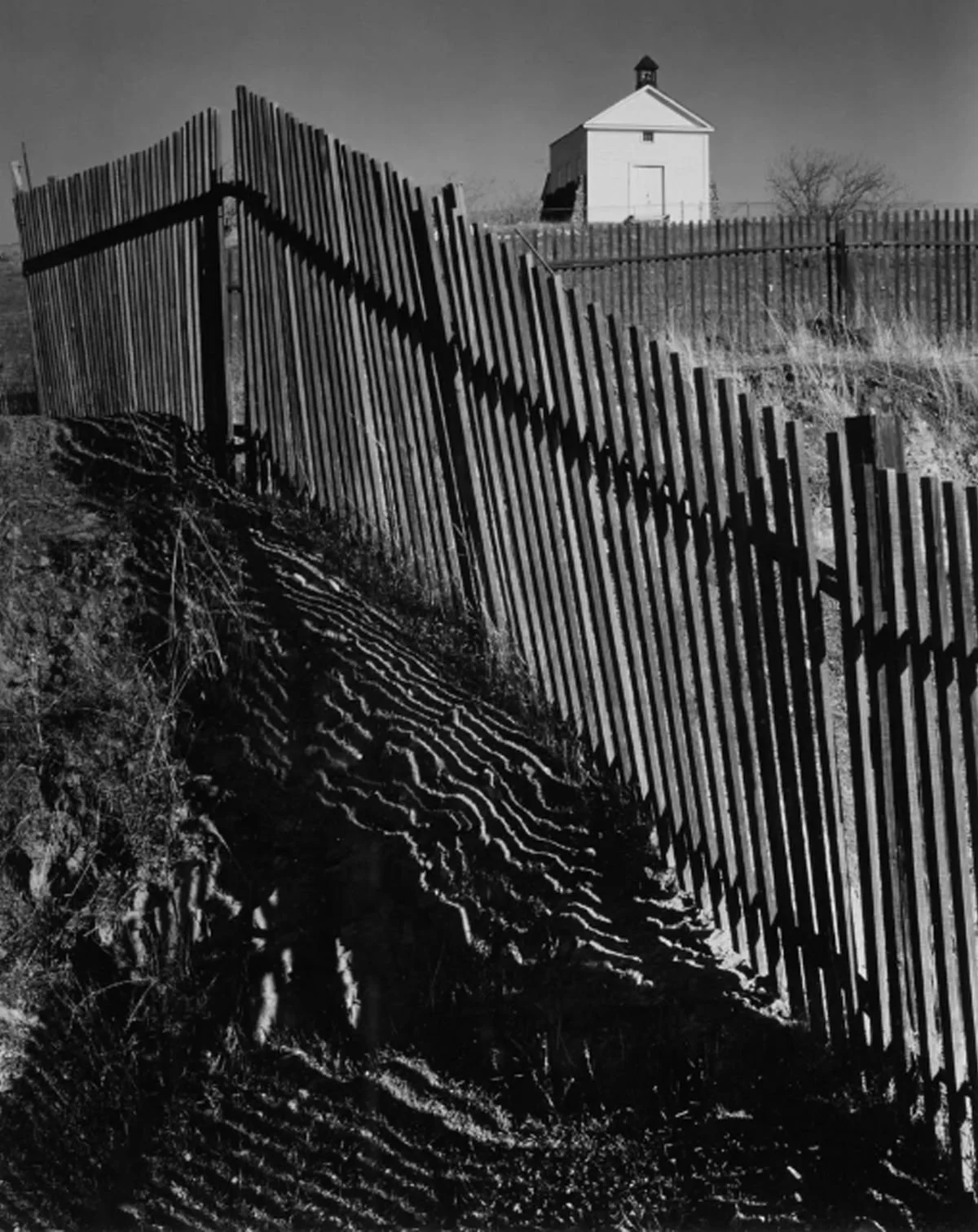
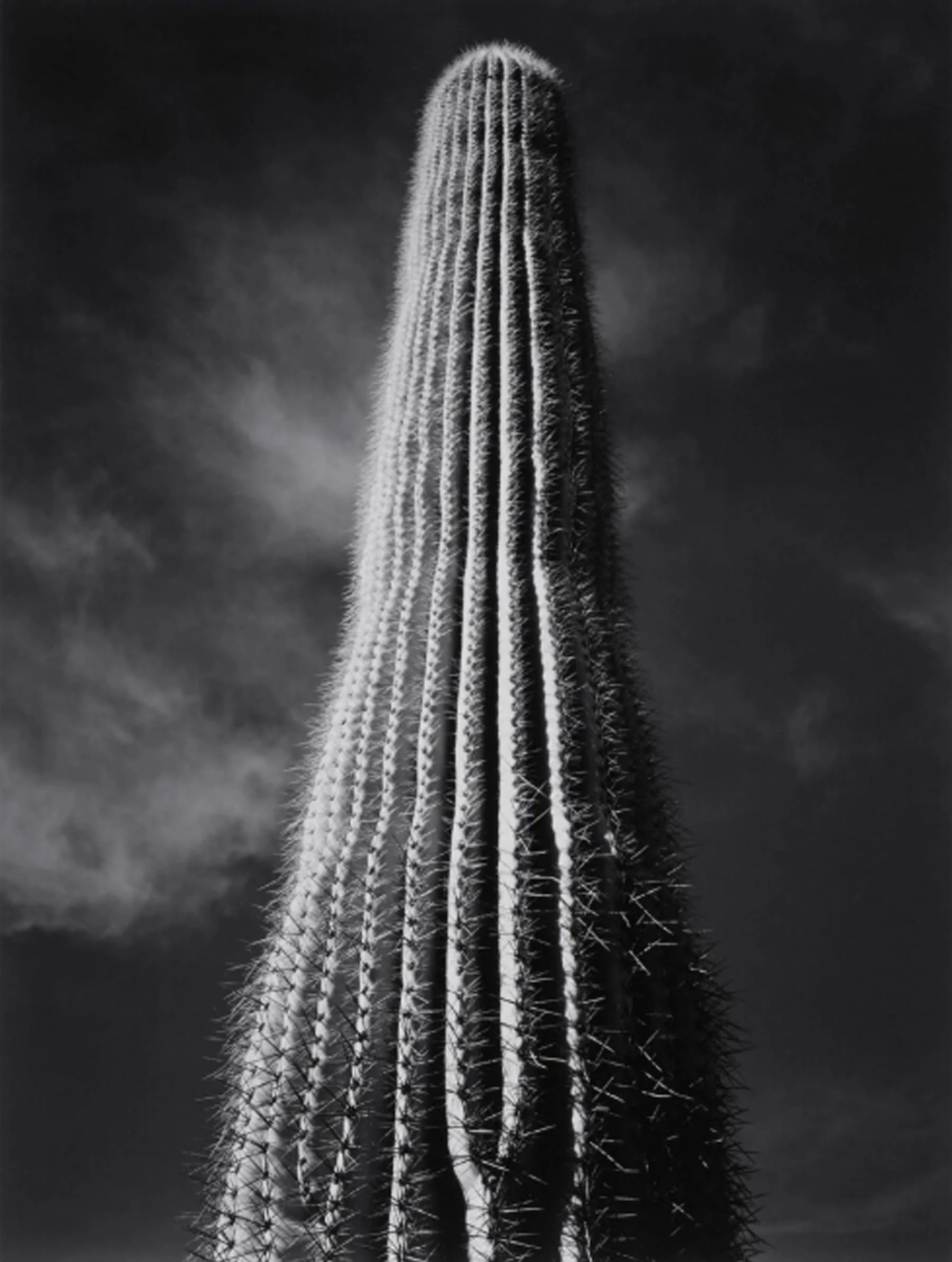
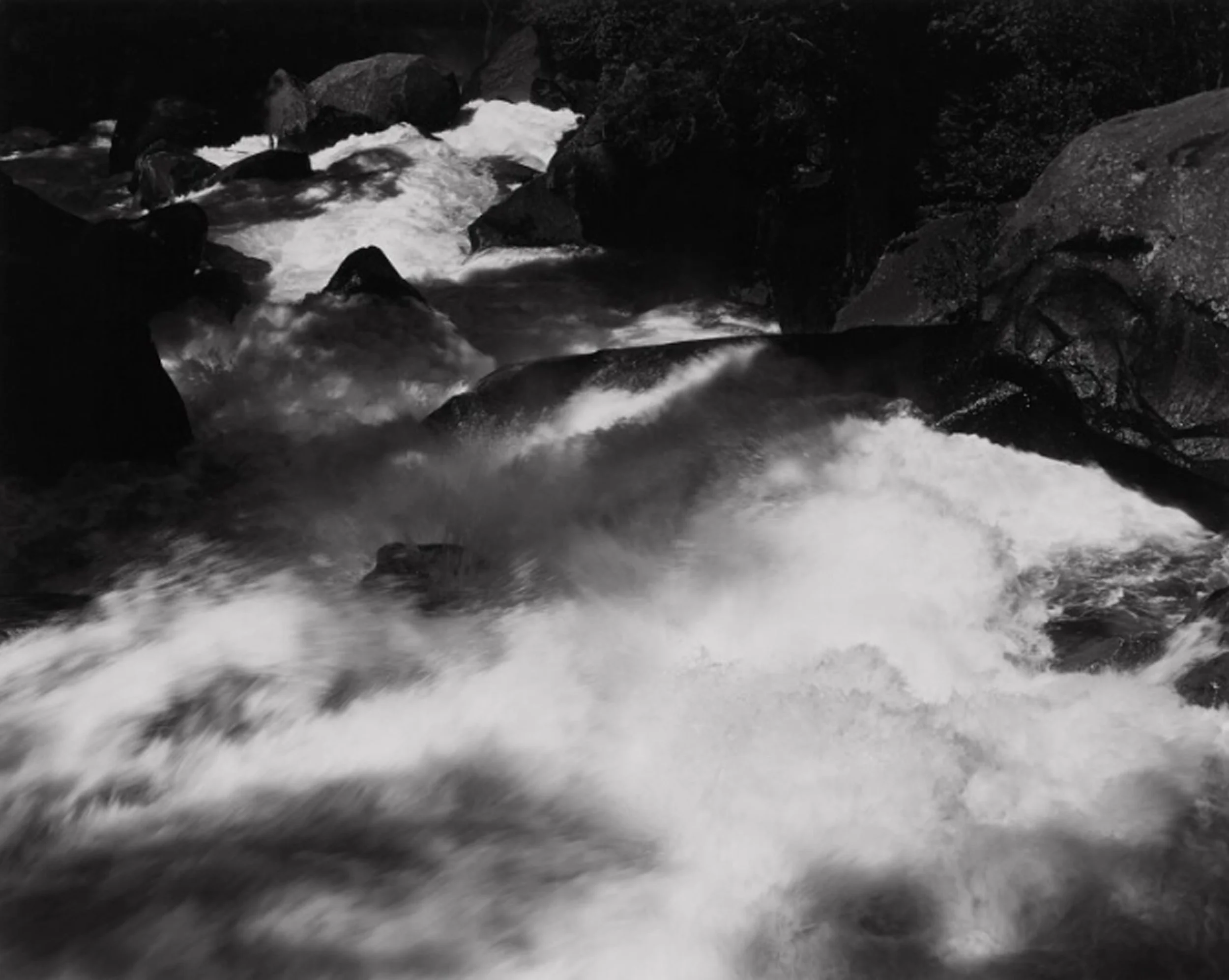
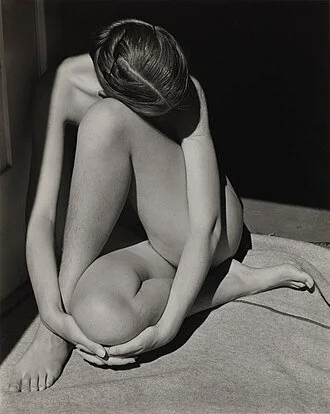
The museum’s permanent art collection also proudly features works by three of America’s most influential artists of the West—Edward Borein, Ansel Adams, and Edward Weston. Together, their pieces reveal the rugged beauty, open spirit, and timeless artistry that define life in the American frontier.
The collection includes ten etchings and watercolors by Edward Borein (1872–1945), a celebrated cowboy artist whose firsthand experience in ranching and vaquero life gave his work unmatched authenticity. These pieces, donated by Jack Rice of Reno, stand alongside the breathtaking photography of Ansel Adams (1902–1984) and the modernist compositions of Edward Weston (1886–1958)—both donated by Earl and Genevieve Frantzen. Each artist captured the essence of the American West in a unique way: Borein through ink and motion, Adams through light and grandeur, and Weston through form and simplicity.
About Edward Borein
John Edward Borein was born in San Leandro, California, in 1872. Before devoting himself to art, he worked as a cowboy across the West, Mexico, and California — experiences that gave him a deep, firsthand understanding of the life he would later portray. His etchings and watercolors vividly capture ranch scenes, vaqueros, and Native American culture with a level of authenticity few artists have achieved. Known as one of the most genuine interpreters of Western life, Borein’s work preserves a vanishing era with honesty, respect, and remarkable detail.
About Ansel Adams:
Ansel Adams, born in San Francisco in 1902, is one of America’s most celebrated photographers. Known for his black-and-white images of the American West, Adams’s mastery of light and shadow forever changed landscape photography. He co-founded Group f/64 and developed the Zone System—a technique that allowed photographers to achieve remarkable tonal range and detail. His Portfolio One, part of the museum’s collection, captures the grandeur of the Western landscape and the spirit of preservation that defines both his work and the heart of Nevada.
About Edward Weston:
Edward Weston began photographing at sixteen after receiving a simple camera from his father. His innovative approach to form, texture, and composition transformed photography into fine art. Weston’s work invites viewers to see the extraordinary within the ordinary—whether in the curve of a shell, the structure of a pepper, or the landscape of the American West. His photographs, embody the modernist ideals of simplicity, precision, and beauty that continue to inspire artists today.


ROTATING EXHIBITS & REGIONAL ARTISTS
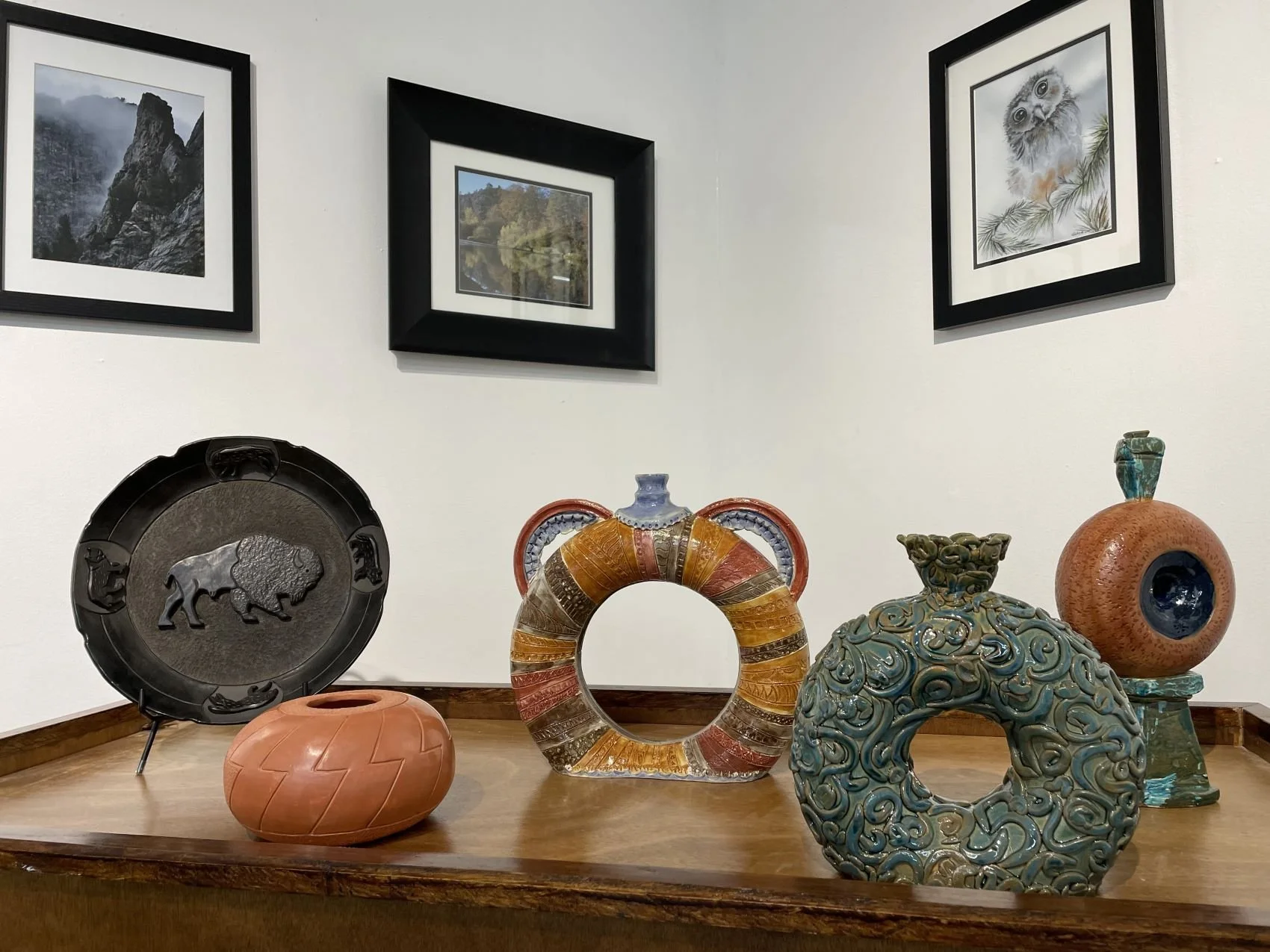
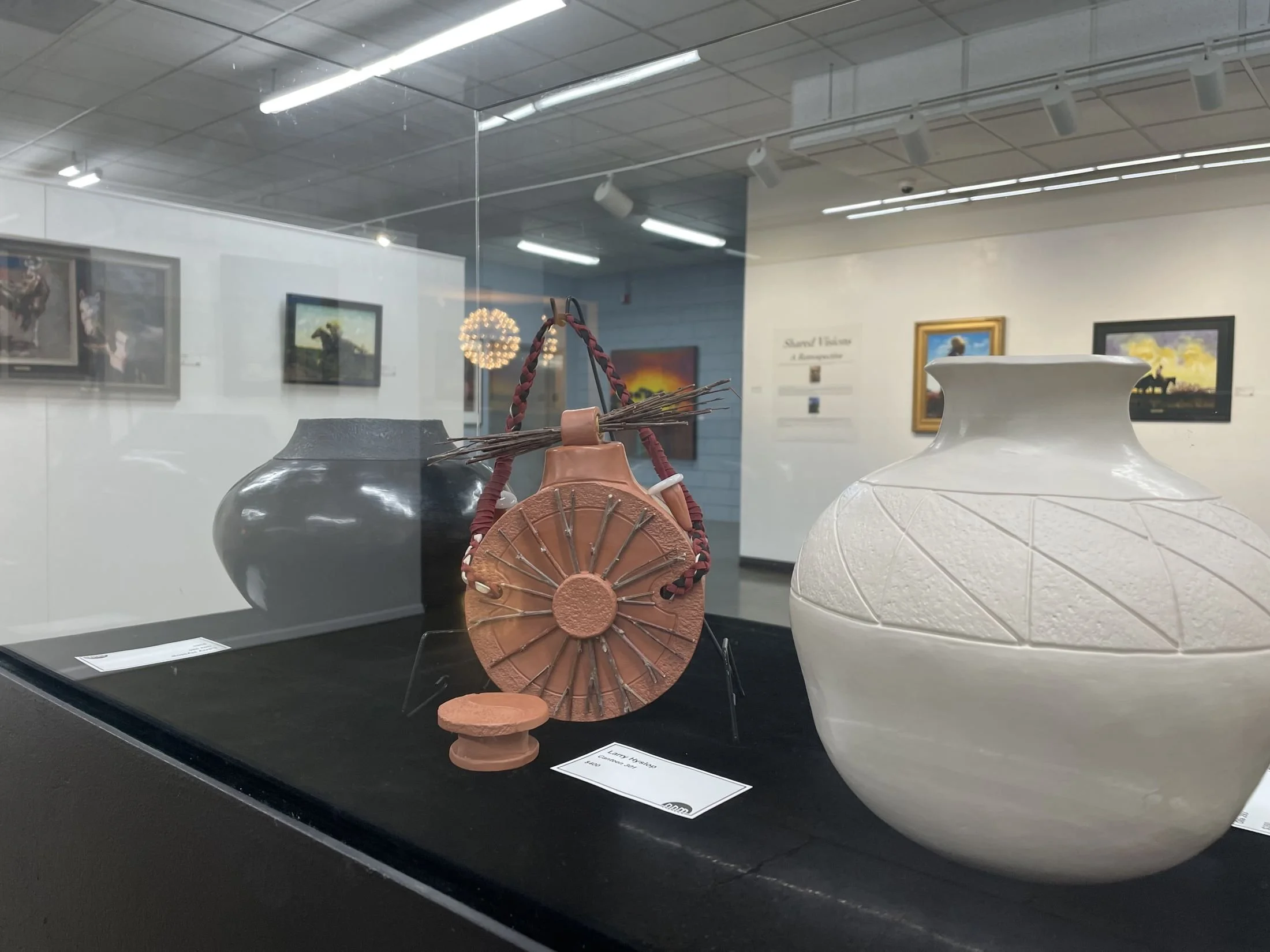
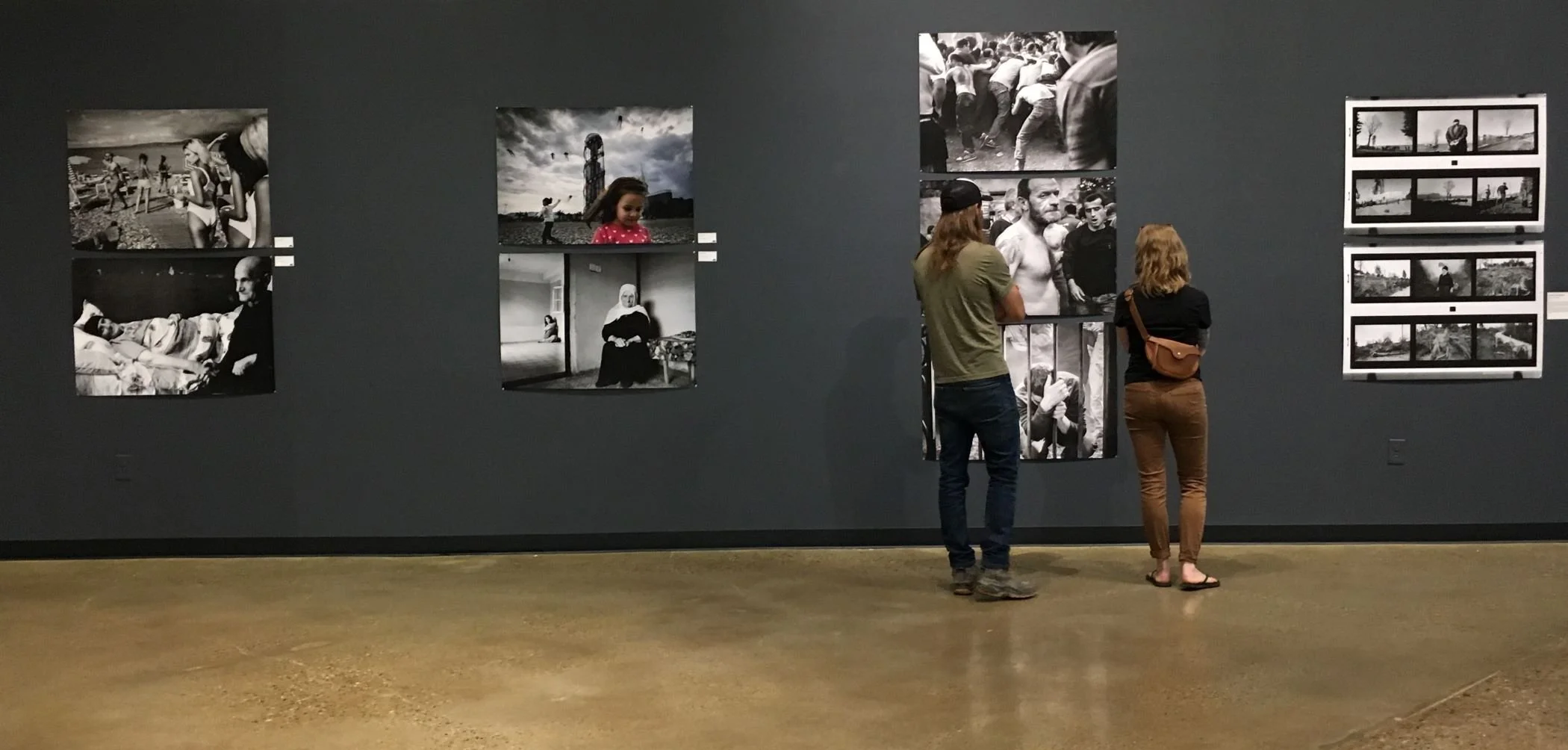
In addition to its permanent collections, the museum features two dynamic rotating galleries that highlight local and regional creativity.
The Halleck Bar Gallery, located beside the museum’s historic bar display, showcases rotating art and cultural exhibits featuring artists from across the Great Basin and beyond. The Barrick Gallery also hosts an ongoing rotation of exhibits, including the Elko County Art Club Annual Show & Sale and the Elko County School District Annual Student Art Show—two beloved community traditions that celebrate local talent and inspire the next generation of Nevada artists.
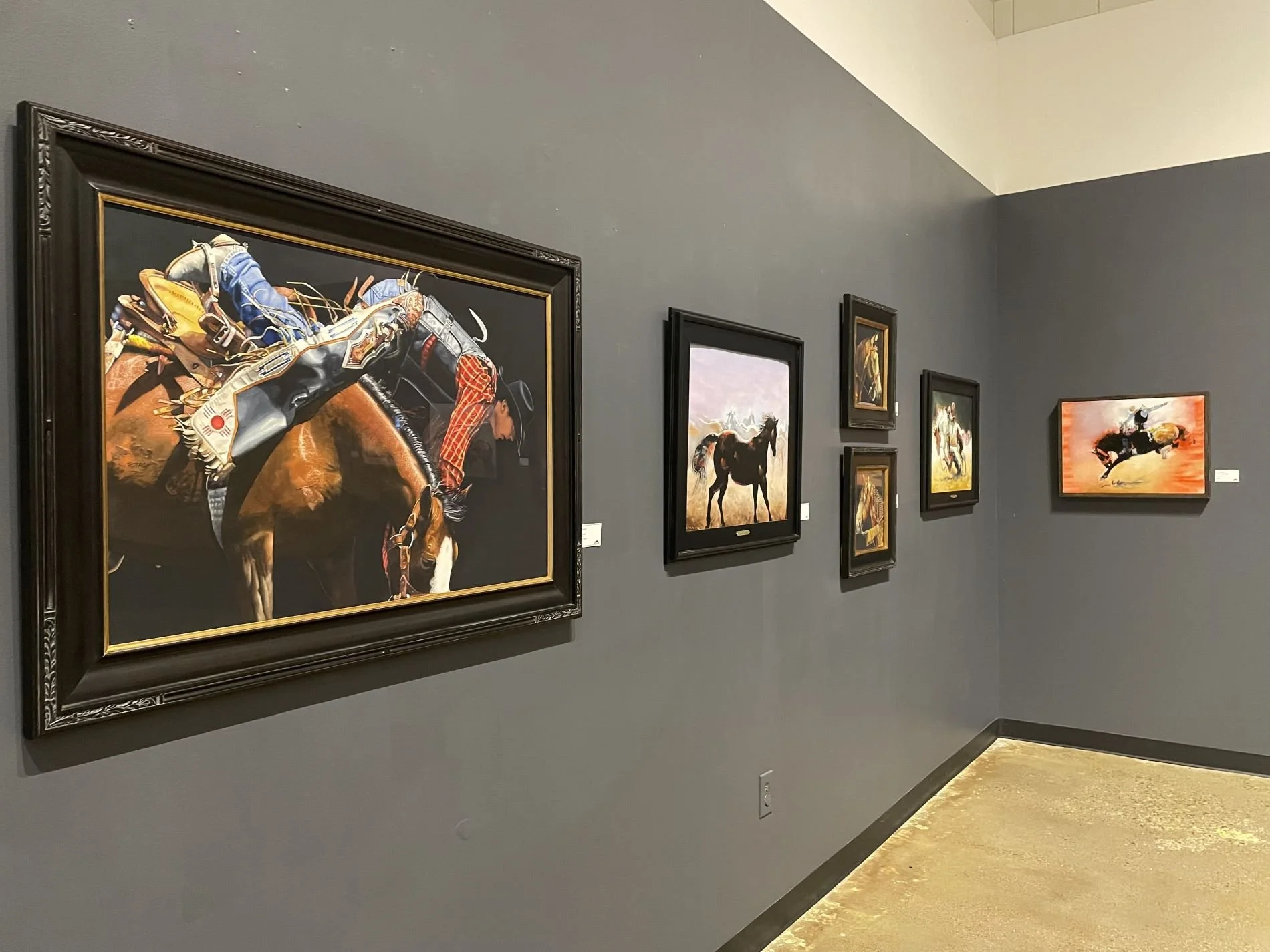
Art That Connects Community
The Northeastern Nevada Museum is more than a place to view art—it’s a gathering space for inspiration and connection. Through the support of the Great Basin Art Foundation, private donors, and visiting artists, the museum continues to grow as a living celebration of creativity in Elko, Nevada.
Whether you’re a lifelong art lover or discovering Western art for the first time, our galleries invite you to explore, reflect, and be inspired by the stories captured on every canvas and sculpture.
Explore the history, art, wildlife and stories of Northeastern Nevada at the Northeastern Nevada Museum in Elko, NV. As one of the leading museums in Elko NV, the museum features exhibits and programs representing communities, landscapes, and cultures from across the region. Locals and visitors alike can discover rotating exhibits, upcoming Elko events, educational programs and meaningful things to do in Elko, all in one place.
Whether you’re learning more about the area or sharing it with visiting friends and family, the museum offers a deeper connection to Northeastern Nevada.